Termites work like a slow leak inside a wall. You rarely see them, but the harm keeps building. Treatment means finding where they get in, choosing a method that fits your home, and checking the work afterward.
Poundssuccessful Pest Control is a referral service. We do not treat homes ourselves. You send one request, and a fitting independent provider in our network follows up with you. This page explains the warning signs, the common treatment methods, and the factors that drive the price, so you can read a written quote with confidence and make calm choices before any work begins in Raymore or anywhere across the Raymore area.
Think You Have Termites? Start Here
If you saw winged insects indoors or found a crumbly spot in the wood, take a breath. Think of it like a cough that will not go away. It is not always serious, but it deserves a proper look.
Take a photo, leave the area alone, and ask a local provider to inspect it. Request a callback to check provider availability, or send the request form.
Why Waiting Costs More
Termites never take a day off. A colony is like a small crew working a night shift inside your walls, and the longer it works, the more wood it removes.
Damage Grows Quietly
Wood can look solid outside while the inside is hollow. A thin skin of paint or surface is often all that is left. That is why early action usually means a smaller repair bill.
Know the Warning Signs
The clues are small, so it helps to know what to look for. Check these spots:
- Pencil-wide mud tubes on foundation walls or in the crawl space
- Discarded wings near windows or doors
- Wood that sounds hollow when you tap it
- Paint that bubbles or sags without a water leak
- Doors or windows that suddenly stick
Look Before Treating
A sealed sample is a good tool. Tape a few insects or tube pieces into a bag, so the provider can name the pest before choosing a method.
Types of Termites
The type matters because it changes the plan. Picture three kinds of tenants. Each one lives differently and needs a different eviction notice.
Subterranean Termites
These live in the soil and travel up through cracks and mud tubes. They are the most common kind in cold-winter regions, where colonies go deep when the frost sets in.
Drywood and Dampwood Termites
Drywood types live inside dry timber. Dampwood types prefer wet, rotting wood. Both are less common in colder areas, but they do turn up.
Why Basements and Older Frames Matter
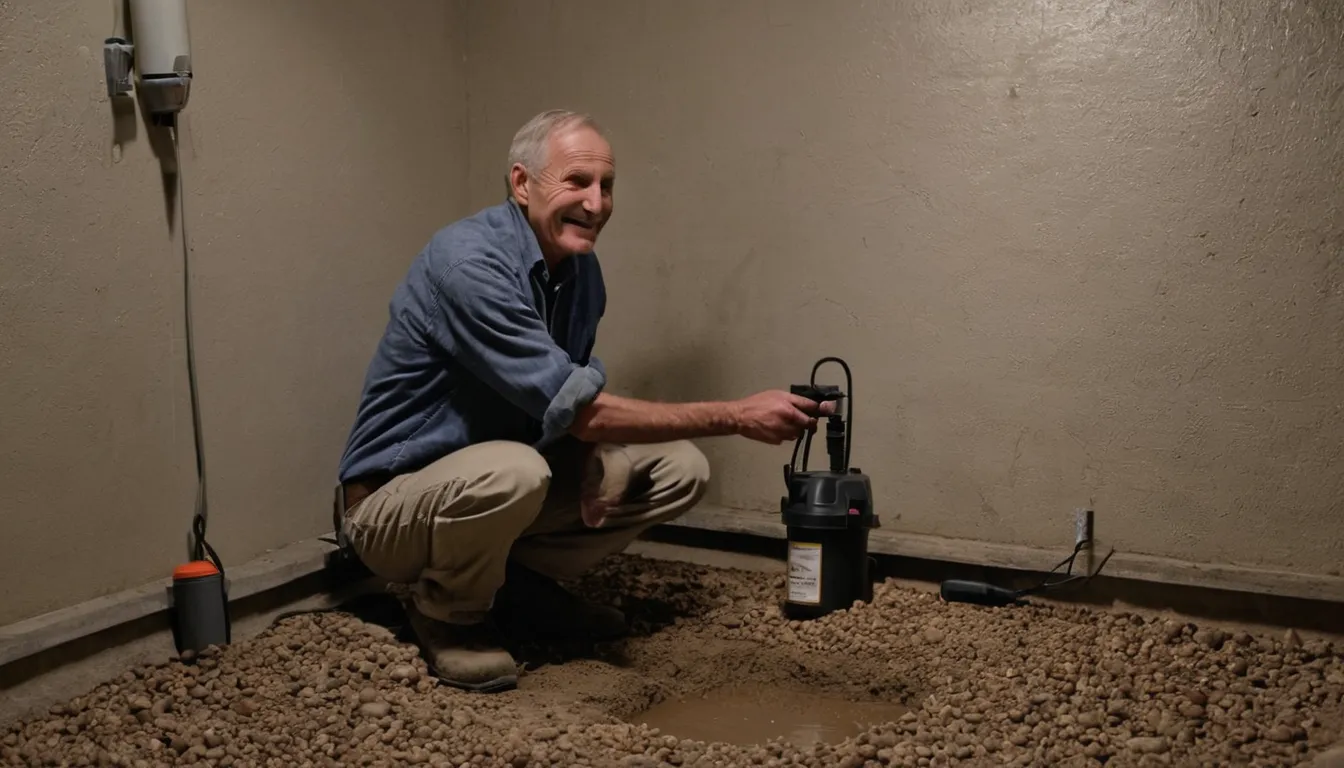
A full basement with a sump pump is like a cool, damp pantry. Moisture and wood sit close together, and termites enjoy both. Older frame homes and bungalows can also have small gaps where wood meets the soil. Find the entry point first, and the rest of the plan gets easier.
How Termite Treatment Works
A provider starts with an inspection, then picks a method. The goal is the same each time: cut the link between the colony and your house.
Liquid Barrier
Think of a moat around a castle. The provider treats the soil along the foundation, and workers moving through it carry the product back to the colony.
Bait Stations
Baits work like a poisoned snack that gets carried home. Stations are placed around the home, and the provider checks them on a schedule.
Wood and Spot Treatments
For small, local trouble, a provider may treat the wood itself. Larger drywood problems sometimes need whole-structure methods.
Where a Homeowner Can Help
You can do a lot before the visit. Move stored boxes away from basement walls, fix leaky gutters, and keep firewood off the house. Cut back soil piled against siding.
Where You Need a Professional
Store-bought sprays are like painting over a stain. They may kill the termites you see, but they rarely reach the colony. Soil treatment and bait systems need trained hands, proper equipment, and label knowledge.
What Drives the Price
The price follows the size of the job. Home footprint, the method chosen, how hard the areas are to reach, and the level of damage all count. Concrete slabs and finished basements raise the effort, just as a bigger lawn takes longer to mow.
Quote in Writing
Ask for the method, the area covered, the product type, any warranty terms the provider offers, and the follow-up visits. A written quote lets you compare offers on equal terms.
Termite Inspections for Home Sales
Buyers and lenders often ask for a termite report. Treat it like a home checkup. A clean report can calm a sale, and a finding gives you time to plan. Providers can often explain what the report means in plain words.
Choosing a Termite Provider
Pick a provider the way you would pick a mechanic. Ask what they found, how they will treat it, and what happens if termites return. Check that they are licensed in your state, and get the answers in writing.
After Treatment
Treatment is not the finish line. It is more like starting a new medicine. You follow up to make sure it worked.
Keep the Home Less Inviting
Keep gutters clear, vents open, and crawl spaces dry. Schedule inspections as the provider suggests, especially after spring flooding or heavy storms. Some policies may cover sudden damage, so check your policy, and providers can often help document damage for a claim.
What's Included
Inspection Visit
A provider checks foundation, basement, and wood areas for activity, then explains what was found.
Method Match
Soil, bait, or wood treatment is chosen to fit your home.
Written Quote
The scope, method, and price are listed before any work starts, so nothing is a surprise.
Follow-Up Checks
Many providers return to check bait stations or confirm that activity has stopped.
Typical Termite Treatment Costs
These are typical U.S. ranges. Your price depends on home size, termite type, access, and damage, so always ask for a written quote before work begins.
| Item | Typical range | Notes |
|---|---|---|
| Termite inspection | $75 – $300 | Price varies by provider and home size |
| Liquid soil barrier | $1,200 – $2,500 | Based on perimeter length |
| Bait station system | $1,500 – $3,500 | Often includes monitoring visits |
| Spot wood treatment | $250 – $1,000 | A good fit for small, local activity |
| Whole-structure fumigation | $1,500 – $4,000 | Mostly used for drywood termites |
| Yearly monitoring plan | $200 – $400 | Renewal terms differ by provider |
How It Works
Send Your Request
Tell us what you noticed and where, using the short request form.
Provider Follows Up
A fitting local provider in our network contacts you to plan a visit.
Review the Quote
Read the written quote and ask about anything unclear before you decide.
Treatment and Checks
The provider treats the home and explains any follow-up visits.
Why Call Poundssuccessful Pest Control
Plain Explanations First
We explain how termites behave and what a quote should show before you talk to anyone.
Clear Pricing
Typical ranges and the reasons behind them help you spot a quote that does not add up.
Independent Providers
Local providers in our network do the work, so you deal with the provider directly.
No Obligation
Sending a request does not commit you to any treatment.
Other Services
Need residential termite treatment in Raymore?
Tell us what you are seeing at home. Send a short request, and a provider in our network can follow up with next steps and a written quote.
No obligationResidential Termite Treatment FAQ
- How do I know if I have termites or just carpenter ants?
- Termites have straight antennae, thick waists, and wings of equal length. Ants have bent antennae, pinched waists, and unequal wings. A provider can confirm it, so save a sample in a sealed bag.
- How much does termite treatment cost for a house?
- Most homeowners see ranges from about $1,200 to $3,500 for common treatments in the U.S., though the cost varies by home size, method, and damage. Ask for a written quote that lists exactly what is covered.
- Can I treat termites myself?
- You can reduce moisture and move wood away from the house. Colony-level treatment needs professional products and equipment, so a provider is the safer choice.
Request a callback
Tell us what you are seeing at home. Send a short request, and a provider in our network can follow up with next steps and a written quote.
No obligation